Wine Operations

Wine Operations South Africa

Process control shapes sensory outcomes. Quality systems are craftsmanship infrastructure, not bureaucratic burden. Built by a practitioner who has managed cellar floors, not just audited them.

Critical Quality PointsSensory RiskCellar OperationsWine Integrity
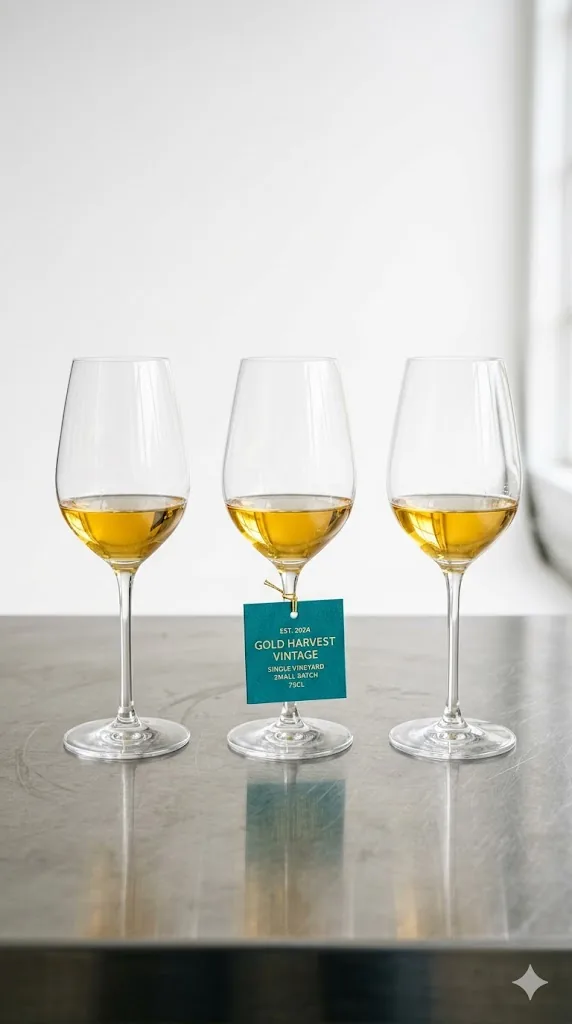
Wine glasses arranged with golden harvest tones
0
Years in Wine & Food Ops
0
Quality Parameters
0
Wine Plan Phases
SA
Built for SA Cellars
The Philosophy

What Are Wine Operations?

Wine operations is the discipline of making quality outcomes systematic rather than accidental. It rejects minimum-standard thinking. The dominant compliance culture treats standards as external obligations — interruptions to the real work of winemaking. Wine operations starts from a different premise: the system is part of the craft. Every fermentation decision, sanitation protocol, bottling parameter, and training interaction contributes to the final sensory identity of the wine.

At the centre of this approach is the Critical Quality Point (CQP) framework — a wine quality management system that extends HACCP logic from safety into sensory and quality risk. Where HACCP asks "will this make someone sick?", CQPs ask "will this compromise what the winemaker intended?" The same rigour — hazard identification, critical limits, monitoring, corrective action — applied to the process decisions that shape wine health, style, and sensory character. The standard is the floor, not the ceiling.

Made to Higher Grade
Cellars that believe their discipline should exceed what auditors measure
Winemakers who want quality outcomes that are systematic, not accidental
Operations managers building systems that survive personnel changes
Estates where critical knowledge lives in one person's head
Wine businesses ready to make quality infrastructure visible
Wine Operations

What Wine Operations Actually Means

Six pillars of wine operations — from sensory risk management to the institutional memory that holds a cellar together across vintages. Each one is a system, not a checklist.

The Process

How Wine Operations Consulting Works

Not a template drop. A practitioner-led engagement that builds systems around your cellar, your team, and your winemaking philosophy.

1

Cellar Assessment

Walk the cellar. Understand your winemaking philosophy, product range, equipment, team structure, and existing documentation. Identify where critical quality risks live and where institutional knowledge is undocumented.

2

CQP Identification & Risk Mapping

Map every process step from grape receival to bottling. Identify Critical Quality Points where process decisions shape sensory outcomes. Define critical limits, monitoring methods, and corrective actions.

3

SOP Architecture & Documentation

Build cellar SOPs your team will actually follow. Fermentation protocols, SO₂ dosing charts, barrel rotation schedules, CIP procedures. Documentation that reflects your real operation.

4

Monitoring Systems & Verification

Design records and monitoring programmes: fermentation logs, microbial sampling schedules, dissolved oxygen tracking, sensory evaluation protocols. Verification that your systems work — not just that they exist.

5

Team Training & Knowledge Transfer

Train the cellar team on the why behind every procedure. Build institutional memory that survives personnel changes. Everyone understands their role in the system.

6

Ongoing Review & Vintage Adaptation

Each vintage brings different conditions. Annual review of CQPs, SOP effectiveness, microbial trends, and equipment performance. The system evolves with your operation.

Investment

What Does Wine Operations Consulting Cost?

Every engagement is scoped to your operation. These ranges give you a realistic picture of what to budget for.

Cellar Assessment & CQP Mapping
R15k – R35k
Depends on cellar size, product range, and existing documentation maturity
SOP Development & System Build
R30k – R80k+
Scoped to your operation — number of wine styles, equipment complexity, team size
Monitoring & Verification Design
R15k – R30k
Sampling schedules, record systems, sensory evaluation protocols
Full Wine Quality System
R60k – R140k+
End-to-end CQP implementation — assessment through training and vintage review
WINEQUALITY

The Wine Plan

Map your process from grape to bottle. Identify where quality decisions live. See where your plan is working — and where it is not. Science-backed guidance grounded in Boulton, Singleton, Bisson & Kunkee. Not a compliance tool. Pure wine quality thinking — process decision to sensory outcome.

BVRC Wine Quality Intelligence
The
Wine Plan.
Get the wine into the bottle the way you intended.
1Process FlowGrape to bottle
2Quality MatrixControl status per step
3Decision RegisterLimits & corrective actions
4Wine Plan MapQuality intelligence output
18
Process Steps
10
Quality Params
5
Control States
Science-backed guidance · Boulton, Singleton, Bisson & Kunkee (UC Davis, 1999)
Featured Topic

Brettanomyces Management

Current Focus
Brett Control — The Risk That Ends Careers
Frequently Asked

Wine Operations FAQ

CQPs extend HACCP logic from safety into quality and sensory risk. A CCP asks "will this make someone sick?" — a CQP asks "will this compromise what the winemaker intended?" CQPs apply the same rigour to SO₂ dosing timing, fermentation temperature control, oxygen pickup during transfer, and filtration parameters. The CQP framework is a wine quality management system — wine health, style, and sensory evaluation as organising principles.

Depends on your market. UK retailers increasingly require BRCGS for bottled wine. EU and US export often require a GFSI-benchmarked scheme. Many cellars find that wine operations systems built properly translate directly into certification readiness — the CQP framework builds the discipline that makes GFSI certification a natural next step, not a separate project.

Oxygen is the single largest source of sensory risk across winemaking. Every transfer, pump-over, racking, and bottling event introduces dissolved oxygen that can drive oxidation, premature ageing, and loss of varietal character. Process control means knowing your DO pickup at every stage, setting critical limits, and monitoring. The difference between a wine that ages gracefully and one that falls apart at 18 months is often traceable to oxygen management decisions made months earlier.

Every cellar parameter exists to protect a sensory outcome. Fermentation temperature ranges govern ester formation, tannin extraction, and aromatic profile. SO₂ dosing timing protects against oxidation and microbial spoilage. Pump-over frequency shapes colour stability and mouthfeel. When process specs are designed with sensory goals as the organising principle, the cellar team understands WHY each parameter matters — not just what number to hit.

Typically 3–6 months from cellar assessment to a functioning system. The biggest variable is team availability — harvest season limits what you can implement. Many cellars start with assessment and CQP mapping (4–6 weeks), then phase SOP development and training around the vintage cycle. The system evolves with each vintage — it's not set-and-forget.
From The Blog

Related Resources

Ready to Build Wine Operations Systems?

The intake form is where we scope what your cellar needs. Process control, microbiology, documentation, sensory systems — every engagement starts with understanding your operation.